Planning full‑container FCL shipments for heavy‑weight cat litter creates unique logistical challenges for global B2B importers and distributors. Improper container selection, wrong loading styles, or ignored weight limits often lead to over‑weight penalties, cargo damage, wasted container space, and unexpected extra freight costs. Before confirming bulk orders, buyers need to clarify bag specifications, decide between pallet‑loaded or floor‑stack stuffing, understand container payload boundaries, and share complete logistics requirements with manufacturers. Well‑prepared loading plans help maximize container utilization, stabilize transit safety and control overall landed costs for wholesale cat‑litter business.
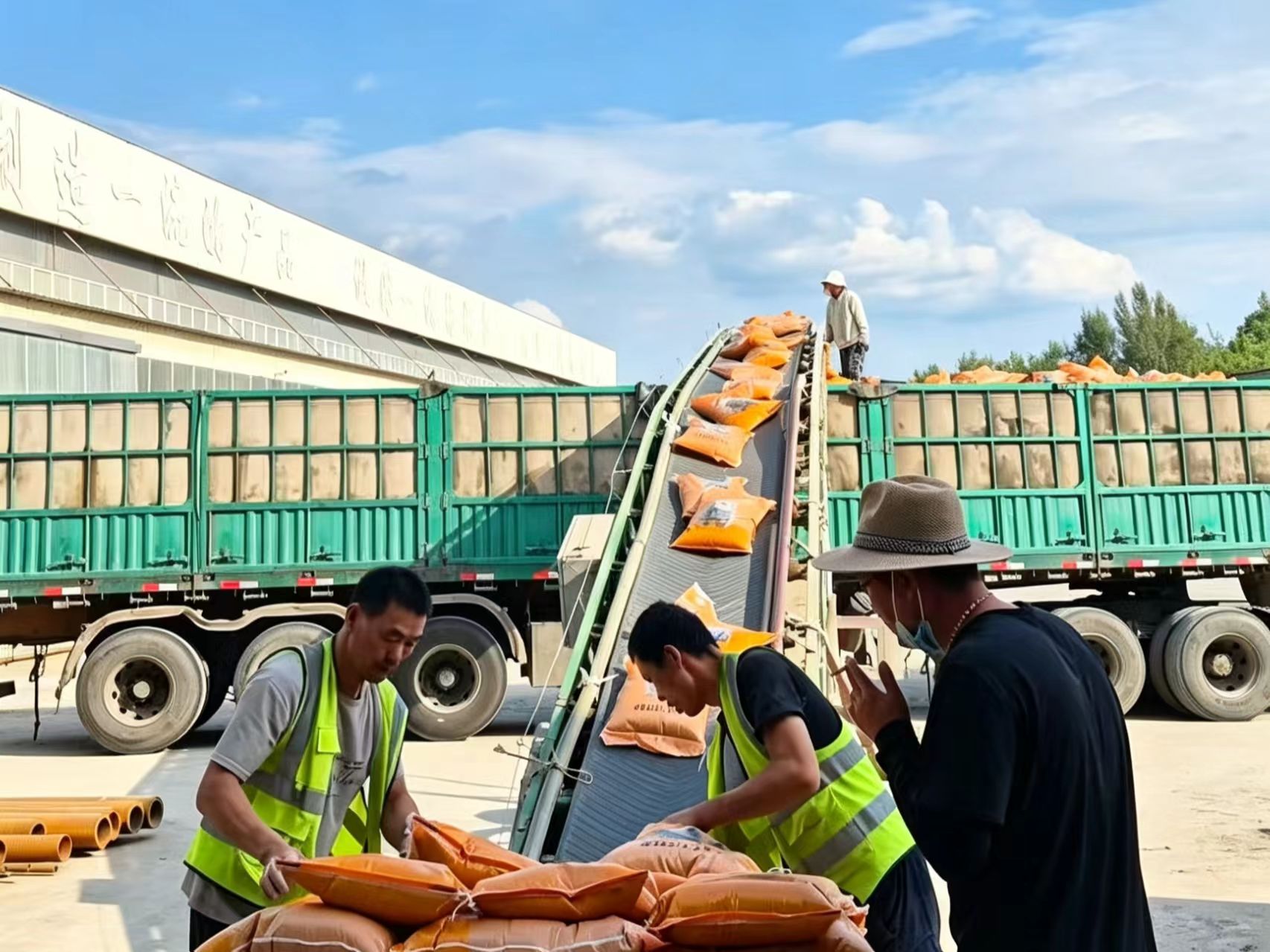
📦 Core Container‑Planning Factors for Cat Litter Shipments
1. Retail Bag Specifications
Cat litter is packed in diverse retail bag sizes, commonly 5 kg, 8 kg, 10 kg and 20 kg packages for bentonite, tofu, cassava or mixed formulas. Bag dimension directly decides how many units fit inside one container. Dense bentonite litter hits weight limits quickly, while lighter tofu litter fills up container volume first. Importers should lock final bag dimensions before factory drafts the loading layout; mixed‑SKU shipments need extra layout adjustment to avoid space waste.
2. Pallet Loading vs Floor Loading
Two mainstream stuffing options are available for cat‑litter FCL orders.
Palletized loading: Goods are stacked on standard IPPC‑treated wooden pallets. Pallet‑loaded cargo simplifies port handling, protects bags from friction damage, and speeds up warehouse unloading at destination. It sacrifices partial container space, and reduces total loading weight. Pallet solution is preferred for markets with high‑efficiency warehouse operations.
Floor loading (direct stuffing): Bags are stacked directly on container floor without pallets. It achieves higher payload and maximizes usable space. However, unloading becomes labour‑intensive, and improper stacking may cause bag tearing or collapse during ocean transit. This method is widely used for cost‑sensitive wholesale projects. Buyers must confirm preferred loading style with suppliers in advance.
3. Critical Weight Limits for 20ft & 40ft Containers
Weight restriction is the most easy‑missed point for heavy cat‑litter cargo. A 20ft container supports much higher payload, ideal for dense bentonite litter. A 40ft container provides larger volume yet lower maximum net payload. Even if empty space remains, you cannot exceed carrier gross‑weight limits, otherwise you will face overweight surcharges at loading port. Experienced cat‑litter factories will calculate theoretical loading quantity and make downward adjustment to comply with carrier and local road transport rules at destination countries.
4. Information Factories Require to Build Reliable Load Plans
To generate accurate loading proposal, manufacturers need clear inputs from buyers: exact bag size and weight, pallet requirement (pallet or floor‑load), target container type, mixed‑SKU proportion if multiple items are ordered, and destination country import rules for wooden pallets. Missing details will result in inaccurate loading calculation, short‑shipment risk or last‑minute adjustment before vessel closing.
✅ Simple RFQ Checklist for Cat‑Litter Container Shipment
Provide below full information when sending RFQ to cat‑litter manufacturers to receive precise quotation and feasible loading
- Product type: bentonite / tofu / cassava / mixed cat litter, exact bag weight and dimension
- Order setup: stock goods or OEM private‑label order
- Loading requirement: palletized loading or floor direct‑stuffing
- Incoterms rule (FOB, CFR, CIF etc.)
- Destination port and target import country
- Additional special requests: IPPC pallet marks, shipping mark design, multi‑SKU mixed loading
Final Recommendation & Call to Action
Successful cat‑litter sea shipment relies on reasonable container selection, proper loading solution and complete information exchange between importer and manufacturer. Ignoring weight limits or loading details will erode your wholesale profit margin even with competitive product unit price.
MIIICAT is an export‑oriented Chinese cat litter manufacturer covering bentonite, tofu, cassava and mixed‑type cat litter. Our logistics team develops custom‑tailored container loading plans for global importers and distributors, evaluating bag specs, weight limits and destination‑market rules to optimize space usage and control freight cost.
Send your complete RFQ to MIIICAT today, to get your custom loading layout and accurate wholesale quotation for your cat‑litter container shipment project.


