For importers and distributors building a private label pet care line, choosing the right tofu cat litter manufacturer is the single decision that determines product quality, customer retention, and repeat orders. Tofu litter has become one of the fastest-growing categories in the global cat litter market thanks to its light weight, flushability, and natural plant-based composition — but not all tofu litter is created equal. Formulation, granule structure, and quality control processes vary widely between factories.
This guide breaks down the technical specs you should evaluate, the QC checks a serious manufacturer should run on every batch, and the commercial details — packaging, MOQ, lead time, and export documents — you need to plan a smooth import.
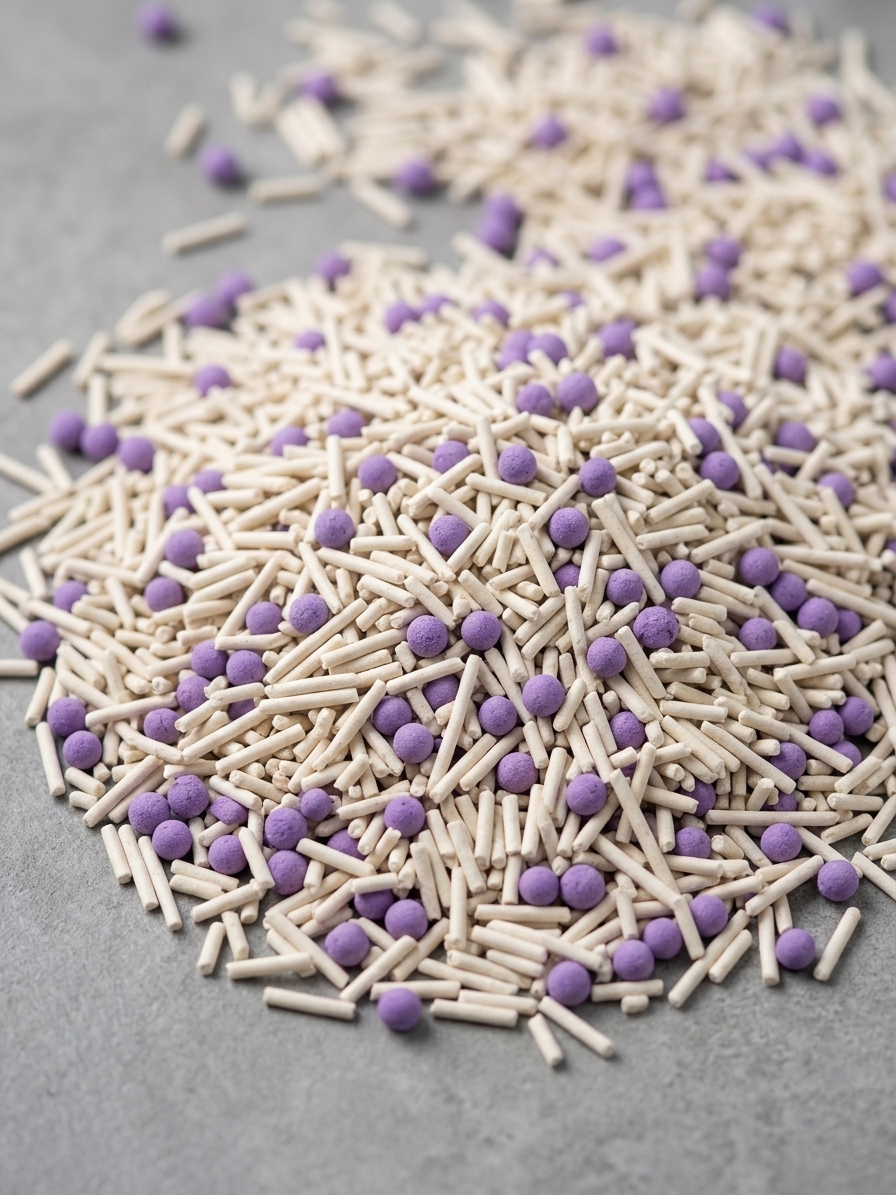
Key Specs to Evaluate
When you request a sample or a spec sheet from a tofu cat litter manufacturer, these are the four performance metrics that matter most to end users:
1. Clumping Strength
A good tofu litter should form a firm, intact clump within seconds of contact with liquid, without crumbling when scooped. Clump strength depends on the ratio of tofu (soybean) fiber to natural binders and the granule's absorption rate. Ask for clump-integrity test data or a video demonstration, and check that clumps hold together after being lifted and gently shaken on a slotted scoop.
2. Dust Level
Low dust is critical for both cats' respiratory health and a clean home environment. Dust typically comes from over-processed fine particles or inconsistent granule sizing during extrusion. Reputable factories measure dust generation using a shake test or airborne particulate count and should be able to share dust-level results, generally expressed as a percentage of fine particles per kilogram.
3. Moisture Content
Moisture content affects shelf life, mold risk, and clumping performance during shipping and storage. Tofu litter is typically dried to a moisture range that keeps it stable in humid climates without becoming brittle. Ask your supplier for their standard moisture percentage and whether it's verified with a moisture analyzer on every production batch.
4. Odor Control
Odor control usually comes from a combination of raw material quality, baking soda or natural deodorizing additives, and fragrance layering (unscented, green tea, lavender, activated carbon, etc.). Ask whether odor performance is tested with a standardized ammonia-neutralization or timed odor panel test, rather than just marketing claims.
QC Tests That Separate Reliable Factories from the Rest
Before signing a contract, ask your manufacturer to walk you through their quality control workflow. A mature QC system for tofu litter typically includes:
- Incoming raw material inspection — checking soybean fiber purity, particle size, and supplier certificates for every raw material lot
- In-process granule sampling — pulling samples during extrusion and drying to check shape consistency, hardness, and moisture in real time
- Clumping and dust testing — running standardized clump-strength and dust-shake tests on finished goods before packing
- Weight and packaging checks — verifying bag weight, seal integrity, and barcode/label accuracy
- Batch retention samples — keeping a reference sample from every production batch for traceability and after-sales comparison
Batch Consistency Controls
Importers often underestimate how much granule size, color, and odor can vary between production runs if a factory lacks proper process controls. Ask potential suppliers about:
- Fixed formulation ratios and documented standard operating procedures (SOPs) for each product line
- Automated extrusion and drying lines with temperature and humidity logging
- Batch-to-batch comparison records (moisture, dust %, clump time) kept over time, not just spot checks
- A named QC team or department responsible for sign-off before goods are released for shipment
Consistency across container loads is what protects your brand reputation once your product is on retail shelves.
OEM/ODM Packaging Options
Most established tofu litter factories offer flexible private-label programs, including:
- OEM — your own brand name, logo, and packaging design printed on standard bag structures (kraft paper, PE-lined, or fully laminated bags)
- ODM — factory-developed formulations and packaging concepts you can adapt or customize with your branding
- Bag sizes typically ranging from 2L trial packs to 6L, 10L, and 20L bulk bags
- Scent and color variant customization (unscented, green tea, activated carbon, lavender, mixed-color granules)
- Custom printing, resealable zippers, and carry handles for retail-ready presentation
MOQ & Lead Time
MOQ and lead time vary depending on whether you're ordering a stock formulation or a fully customized OEM product:
- Standard/stock formulations: lower MOQ, often a partial or single 20ft/40ft container, with shorter lead times since packaging is generic
- Custom OEM packaging: higher MOQ due to minimum printing runs for custom bags, plus additional lead time for artwork approval and packaging production
- Typical production lead time: several weeks from deposit and artwork confirmation to cargo-ready date, depending on order volume and season
- Always request a written production timeline broken into stages: raw material prep, production, QC, packing, and loading
Export Documents
A reliable manufacturer should be able to prepare a complete export documentation package, which typically includes:
- Commercial invoice and packing list
- Bill of lading
- Certificate of origin
- Fumigation certificate (for wooden pallets, if applicable)
- Product test reports (dust, moisture, clumping) and, where required, MSDS
- Any additional certificates requested for your destination market's customs requirements
Confirming this list upfront avoids customs delays once your shipment arrives at port.
Ready to Source? Talk to MIICAT
Whether you're testing the market with a trial order or scaling up a private-label tofu litter line, getting the specs, QC process, and commercial terms right from the start saves time and protects your margins.
Request a free grade recommendation, product samples, and a formal quotation from MIICAT today — our team will help you match the right formulation, packaging, and MOQ to your target market.


